Modern office buildings are designed to support productivity, collaboration, and efficiency. Employees spend thousands of hours each year working in offices, attending meetings, interacting with clients, and managing daily responsibilities. While organizations often focus on operational performance and workplace comfort, safety remains one of the most important aspects of maintaining a healthy work environment.
Medical emergencies can occur without warning in any workplace. Employees, visitors, vendors, and clients may experience sudden health events regardless of age, fitness level, or job responsibilities. When a serious medical emergency occurs, the first few minutes can be critical. Having the right equipment and properly trained individuals available can significantly improve workplace preparedness.
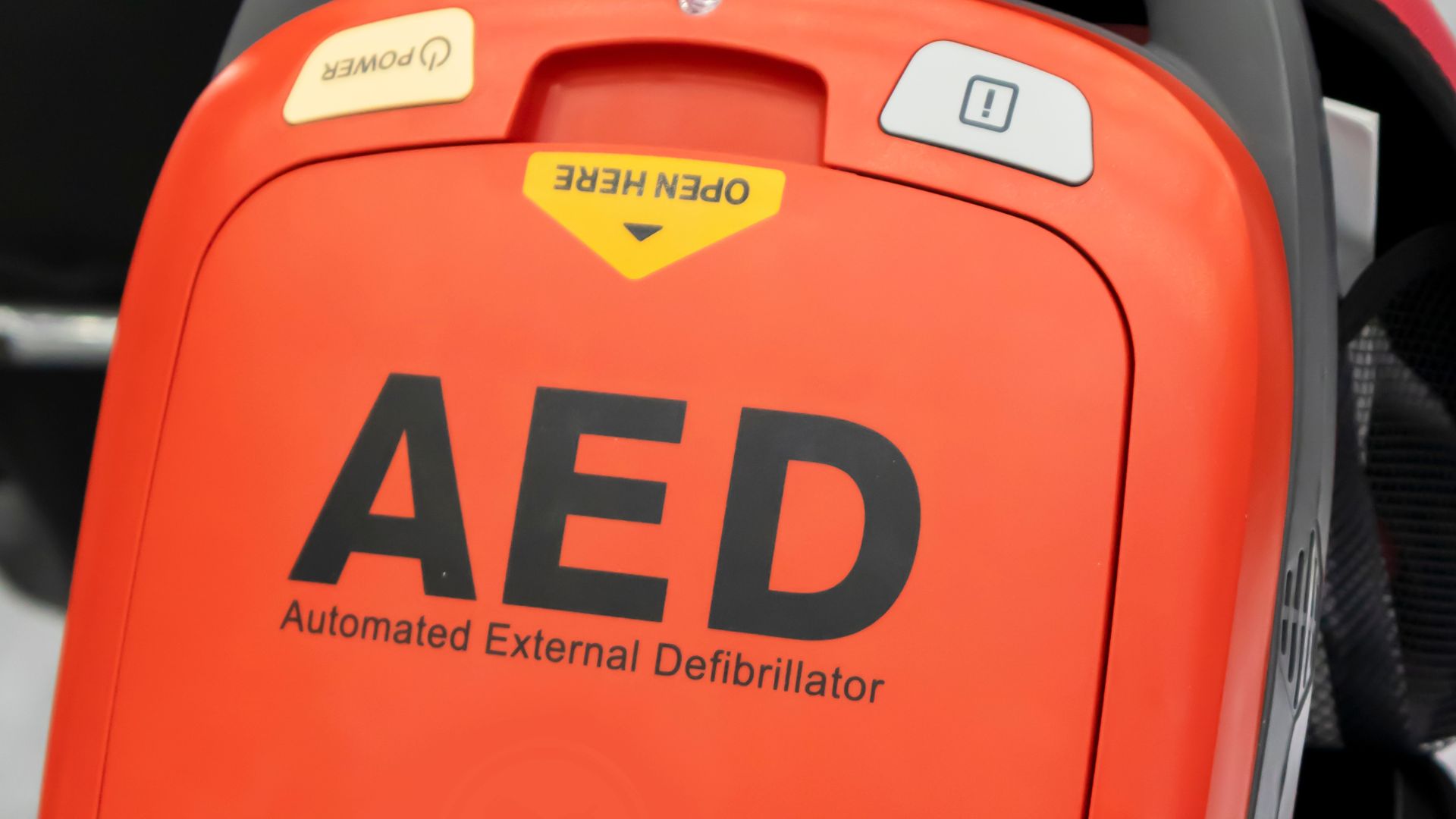
One of the most valuable emergency response tools found in many office buildings today is the Automated External Defibrillator, commonly known as an AED. These devices are designed to support emergency response efforts during certain life-threatening cardiac emergencies. Combined with proper planning and training, AEDs help organizations create safer workplaces and improve their readiness for unexpected situations.
Many businesses also encourage employees to participate in a CPR Certification course so they can better understand emergency response procedures and become more confident when assisting during critical situations.
What Is an AED?
An Automated External Defibrillator is a portable device designed to assist during specific cardiac emergencies. AEDs are commonly found in public buildings, schools, airports, sports facilities, healthcare environments, and many office settings.
The purpose of an AED is to analyze a person’s heart rhythm and determine whether a shock may be appropriate. Modern AEDs are designed with built-in voice prompts and instructions that help guide users through the process.
These devices were developed to be accessible to everyday people, not just healthcare professionals. Their straightforward design helps make them an important part of workplace emergency preparedness programs.
As AED technology has become more widely available, many organizations have chosen to include these devices as part of their broader safety initiatives.
Why Cardiac Emergencies Can Happen in Office Buildings
Many people associate cardiac emergencies with hospitals or healthcare facilities, but they can occur virtually anywhere.
Office buildings bring together large numbers of employees, contractors, vendors, clients, and visitors on a daily basis. Within these populations are individuals of different ages, backgrounds, and health conditions.
Potential factors that may contribute to workplace medical emergencies include:
- Underlying health conditions
- High stress levels
- Sedentary work environments
- Physical exertion
- Unexpected medical events
- Existing cardiovascular concerns
Because emergencies can happen without warning, office buildings benefit from having emergency response plans and appropriate safety equipment readily available.
The Importance of the First Few Minutes
When a serious cardiac emergency occurs, time becomes one of the most important factors.
Emergency medical services provide critical care, but responders must travel to the location before they can begin treatment. Depending on traffic, building access, and other circumstances, this process can take several minutes.
During those first moments, coworkers and bystanders are often the only people available to assist.
This is why workplace preparedness is so important. Employees who understand emergency procedures and know where emergency equipment is located can help support response efforts while professional assistance is on the way.
Preparation allows organizations to react more effectively when every second matters.
How AEDs Support Workplace Emergency Response
AEDs are designed to complement emergency response efforts by providing guidance during critical situations.
One reason AEDs have become so valuable is their ease of use. Modern devices provide step-by-step instructions that help users understand what actions to take.
Benefits of AEDs in office buildings include:
- Accessibility during emergencies
- Guided instructions for users
- Support for workplace emergency plans
- Increased confidence among employees
- Enhanced overall preparedness
Organizations that install AEDs demonstrate a commitment to employee safety and emergency readiness.
Why Office Buildings Are Ideal Locations for AEDs
Office buildings often house dozens, hundreds, or even thousands of occupants each day.
Larger buildings may include:
- Corporate offices
- Shared workspaces
- Conference centers
- Retail spaces
- Cafeterias
- Fitness facilities
- Public meeting areas
The greater the number of people who use a facility, the greater the possibility that a medical emergency may occur at some point.
Because office buildings serve diverse populations, AED availability can help support emergency preparedness for employees and visitors alike.
Many organizations view AED placement as a practical investment in workplace safety.
AED Accessibility Matters
Having an AED available is only part of the equation. Employees must also know where the device is located and how it fits into emergency procedures.
Organizations should consider:
- Visible placement
- Clear signage
- Easy accessibility
- Employee awareness
- Routine maintenance
A device that is difficult to locate during an emergency may not provide the intended benefit.
Workplaces that regularly communicate AED locations and emergency procedures help improve overall preparedness.
Integrating AEDs Into Emergency Action Plans
AEDs are most effective when incorporated into a broader emergency response strategy.
An emergency action plan should clearly address:
- Emergency communication procedures
- AED locations
- Emergency contact information
- Employee responsibilities
- Building access procedures
- Coordination with emergency responders
When employees understand their roles and know where resources are located, workplace response efforts often become more organized and efficient.
Planning before an emergency occurs helps reduce confusion when immediate action is needed.
Employee Training Strengthens Preparedness
Even though AEDs are designed to be user-friendly, training remains an important component of workplace preparedness.
Employees who participate in emergency response education often develop greater confidence and familiarity with emergency procedures.
Training benefits may include:
- Improved emergency awareness
- Increased confidence
- Better understanding of response priorities
- Stronger communication skills
- Greater familiarity with workplace procedures
Prepared employees are often more likely to respond calmly and effectively during unexpected situations.
Common Locations for AED Placement
Organizations often place AEDs in areas where they can be accessed quickly.
Common locations include:
- Main lobbies
- Reception areas
- Break rooms
- Fitness centers
- Conference areas
- Security stations
- Large gathering spaces
The goal is to position devices where they can be reached efficiently during emergencies.
Placement decisions may vary depending on building size, layout, and occupancy levels.
Why Visitors Benefit From AED Availability
Workplace safety efforts often focus on employees, but visitors can also benefit from emergency preparedness initiatives.
Office buildings routinely welcome:
- Clients
- Customers
- Vendors
- Contractors
- Job candidates
- Delivery personnel
- Guests
Because organizations cannot predict who may experience a medical emergency, preparedness efforts should consider everyone who enters the facility.
AED availability helps support broader safety goals that extend beyond the workforce alone.
Building a Culture of Workplace Safety
The most effective emergency preparedness programs involve more than equipment alone.
Organizations that prioritize safety often emphasize:
- Ongoing training
- Emergency planning
- Communication
- Employee participation
- Regular reviews of procedures
- Leadership involvement
AEDs serve as one component of a larger commitment to protecting people in the workplace.
When safety becomes part of organizational culture, employees are more likely to remain engaged and aware of emergency procedures.
Maintaining AED Readiness
Like any safety equipment, AEDs require regular attention to ensure they remain ready for use.
Organizations should establish procedures for:
- Routine inspections
- Maintenance schedules
- Equipment checks
- Signage reviews
- Staff awareness updates
Maintaining readiness helps ensure that devices are available and operational when needed.
Regular reviews also reinforce employee familiarity with emergency preparedness efforts.
Why AEDs and CPR Training Work Together
AEDs are valuable tools, but they are most effective when combined with emergency preparedness education.
Many organizations encourage employees to learn more about emergency response through workplace safety programs. CPR training helps individuals understand how to recognize emergencies, activate emergency response systems, and assist while professional responders are on the way.
When employees are familiar with both CPR concepts and AED awareness, they often feel more confident responding during critical situations.
This combination of equipment and education helps strengthen workplace preparedness and supports a safer environment for everyone in the building.
Strengthening Office Building Safety Through AED Preparedness
Office buildings are busy environments where employees, visitors, and clients gather every day. While no organization can predict when a medical emergency will occur, preparation helps ensure that people are ready to respond effectively. AEDs provide valuable support during certain cardiac emergencies and have become an important part of many workplace safety programs. Combined with emergency planning, employee education, and participation in a CPR Certification class, AED availability can help organizations improve preparedness, strengthen safety efforts, and create a more confident response when unexpected situations arise.
Frequently Asked Questions About AEDs in Office Buildings
What is an AED?
An Automated External Defibrillator is a portable device designed to assist during certain cardiac emergencies by analyzing heart rhythms and providing guided instructions to users.
Why are AEDs important in office buildings?
Office buildings serve large numbers of employees and visitors, making emergency preparedness an important part of workplace safety.
Can someone without a medical background use an AED?
AEDs are designed to provide step-by-step instructions that help guide users during emergency situations.
Where are AEDs commonly located in office buildings?
Many organizations place AEDs in lobbies, reception areas, break rooms, fitness centers, conference spaces, and other accessible locations.
Should employees receive emergency response training?
Training can help improve confidence, increase awareness, and strengthen workplace preparedness during emergencies.
How do AEDs support workplace safety programs?
AEDs complement emergency action plans, employee training efforts, and broader workplace safety initiatives designed to protect employees and visitors.