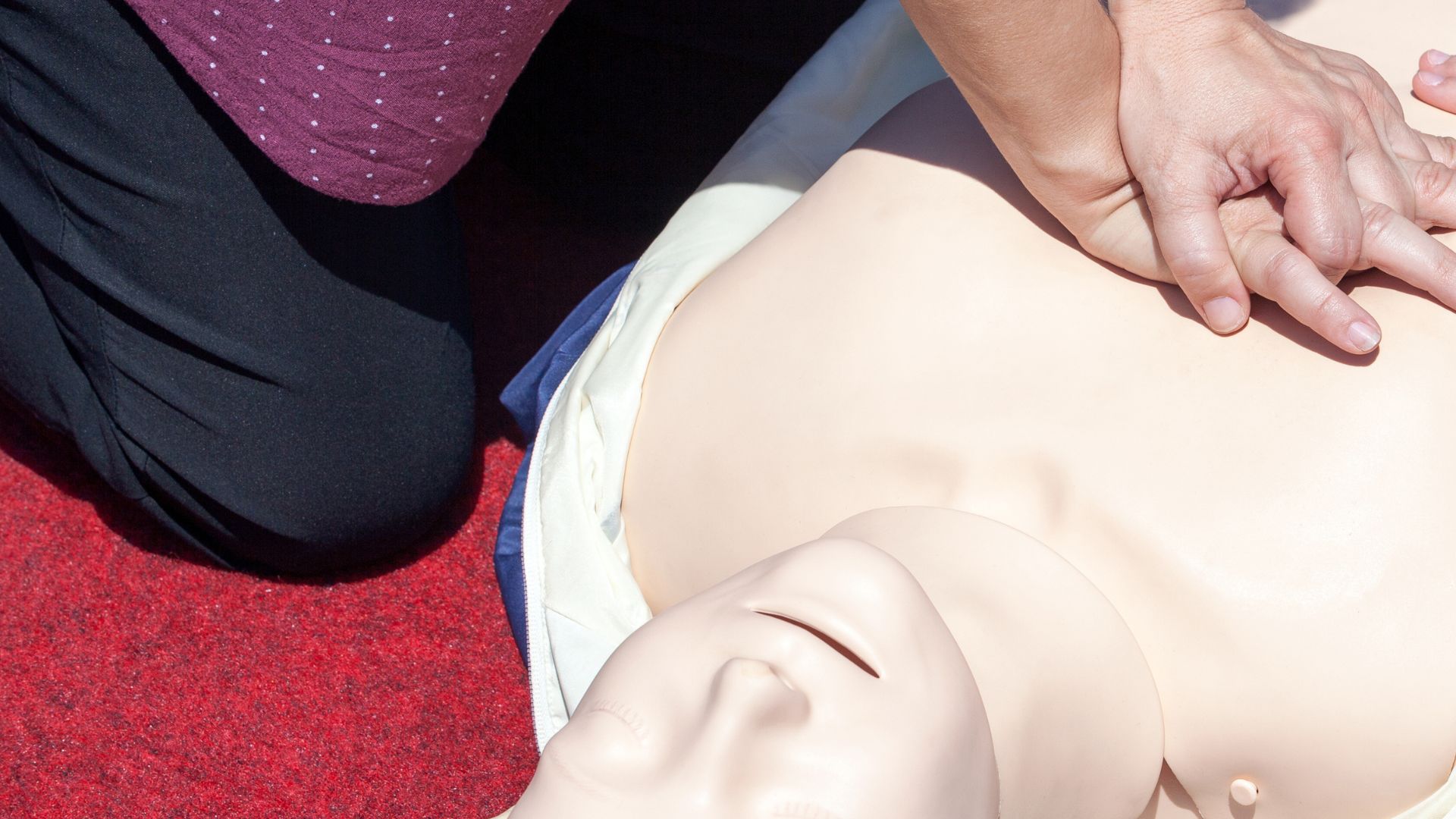
Rideshare services have become an essential part of daily transportation in Oakland and throughout the Bay Area. Every day, drivers help people travel to work, medical appointments, airports, sporting events, restaurants, schools, and countless other destinations. Unlike many professions, rideshare drivers interact with a wide variety of individuals, often transporting dozens of passengers in a single week.
Because drivers spend so much time on the road and regularly interact with members of the public, they may find themselves in situations where emergencies occur unexpectedly. While most trips are routine, medical incidents, accidents, and other emergencies can happen without warning. In those moments, preparation and knowledge can help drivers respond more confidently while professional assistance is on the way.
Oakland’s busy streets, diverse population, and active transportation network create an environment where rideshare drivers frequently encounter people from different age groups, health backgrounds, and lifestyles. For many drivers, emergency preparedness is an important part of providing a safe and responsible transportation experience. Enrolling in a CPR Certification course can help rideshare drivers develop valuable emergency response skills and increase their confidence when facing unexpected situations.
Rideshare Drivers Interact With the Public Every Day
Unlike many jobs that involve working with the same group of coworkers or customers, rideshare driving places individuals in contact with a constantly changing group of passengers.
Drivers may transport:
- Commuters
- Tourists
- College students
- Families
- Older adults
- Business travelers
- Event attendees
- Medical patients
- Individuals with health conditions
Because rideshare drivers serve such a broad population, they may encounter situations that require awareness, observation, and quick decision-making.
Although emergencies are uncommon, being prepared helps drivers feel more confident if an unexpected situation arises.
Medical Emergencies Can Occur During Transportation
Many passengers use rideshare services because they need transportation to important appointments, activities, or destinations.
In some cases, a passenger may already be experiencing health concerns before entering the vehicle. Others may develop symptoms unexpectedly during the trip.
Examples of medical emergencies that could potentially occur include:
- Cardiac emergencies
- Seizures
- Breathing difficulties
- Allergic reactions
- Diabetic emergencies
- Choking incidents
- Heat-related illnesses
- Sudden loss of consciousness
Recognizing that these situations can occur helps illustrate why emergency preparedness may be beneficial for individuals who spend significant time working with the public.
Oakland’s Busy Environment Creates Unique Challenges
Oakland is a vibrant city with busy roadways, major transportation corridors, entertainment venues, healthcare facilities, and business districts.
Rideshare drivers frequently operate in areas such as:
- Downtown Oakland
- Jack London Square
- Oakland International Airport
- Entertainment districts
- Sports venues
- College campuses
- Medical centers
- Residential neighborhoods
Because traffic congestion and travel distances can affect emergency response times, drivers who understand basic emergency procedures may be better prepared to respond while awaiting professional assistance.
Preparedness becomes particularly important when transporting passengers through heavily traveled areas or during large public events.
Why the First Few Minutes Matter
During many emergencies, the first few minutes are critical.
When a passenger experiences a medical issue, a driver may be the first person to recognize that something is wrong. While contacting emergency services should always be a priority when necessary, responders still need time to arrive.
During those moments, drivers may need to:
- Recognize signs of an emergency
- Pull over safely
- Contact emergency services
- Provide accurate location information
- Remain calm
- Follow emergency instructions
Having some familiarity with emergency response concepts can help drivers remain focused during stressful situations.
Cardiac Emergencies Can Happen Anywhere
Many people associate cardiac emergencies with hospitals or healthcare settings, but they can occur virtually anywhere.
A passenger may experience a medical emergency while:
- Traveling to work
- Returning from an event
- Heading to the airport
- Attending appointments
- Visiting family
- Running errands
Because rideshare drivers spend so much time interacting with the public, they may occasionally find themselves in situations where rapid recognition of a serious medical problem becomes important.
Preparation helps drivers understand the importance of acting quickly and contacting emergency services when needed.
Rideshare Drivers Often Work Independently
One unique aspect of rideshare driving is that drivers frequently work alone.
Unlike employees in office buildings, retail stores, or healthcare facilities, rideshare drivers may not have immediate support from coworkers nearby when an emergency occurs.
This independence can make preparation especially valuable.
Drivers often rely on:
- Their own judgment
- Emergency services
- Communication devices
- Situational awareness
The ability to remain calm and follow established emergency procedures becomes even more important when working independently.
Passenger Safety Is a Top Priority
Most rideshare drivers take pride in providing safe transportation experiences for passengers.
Safety involves more than obeying traffic laws and maintaining a clean vehicle. It also includes being prepared for unexpected situations that could affect passenger well-being.
Prepared drivers often focus on:
- Defensive driving
- Vehicle maintenance
- Emergency planning
- Communication skills
- Passenger comfort
Emergency preparedness can complement these efforts and contribute to an overall commitment to safety.
Why CPR Training Benefits Drivers
CPR training offers benefits that extend beyond professional requirements.
For rideshare drivers, training may help provide:
- Increased confidence
- Greater emergency awareness
- Improved preparedness
- Better understanding of response priorities
- Enhanced personal safety knowledge
Many individuals who complete CPR training report feeling more comfortable responding to emergencies in a variety of settings, not just at work.
The skills and awareness gained through training can be useful in public places, community settings, family environments, and everyday life.
Emergency Preparedness Extends Beyond Passengers
Although passenger safety is a major consideration, rideshare drivers may also encounter emergencies involving other individuals.
For example, drivers could witness:
- Traffic accidents
- Medical emergencies in public spaces
- Pedestrian incidents
- Community emergencies
Because drivers spend significant time traveling throughout Oakland and surrounding communities, they may be present when unexpected situations occur.
Preparedness helps individuals respond more confidently when faced with these circumstances.
The Importance of Communication During Emergencies
One of the most valuable skills during any emergency is effective communication.
Rideshare drivers should understand the importance of:
- Providing accurate location information
- Remaining calm
- Following instructions from emergency dispatchers
- Communicating clearly with passengers
- Maintaining awareness of surroundings
Good communication supports emergency response efforts and helps reduce confusion during stressful situations.
Preparedness often begins with understanding how to respond and who to contact when help is needed.
Building Confidence Through Training
Many people hesitate during emergencies because they are uncertain about what actions to take.
Training helps reduce that uncertainty by providing structured learning opportunities and exposure to emergency response concepts.
Benefits of training often include:
- Increased confidence
- Better situational awareness
- Improved decision-making
- Greater preparedness
- Stronger understanding of emergency procedures
Confidence can help individuals remain calm and focused when faced with unexpected situations.
Why Community Preparedness Matters
Emergency preparedness is not limited to healthcare professionals, firefighters, or police officers.
Communities become stronger when more individuals possess basic emergency response knowledge and understand how to assist during critical situations.
Rideshare drivers represent a unique group of community members because they travel extensively, interact with the public regularly, and often find themselves present in a variety of environments throughout the day.
Prepared drivers contribute to broader community safety efforts by being ready to respond appropriately when emergencies occur.
Why CPR Training Is Valuable for Oakland Rideshare Drivers
Rideshare drivers provide more than transportation. They help connect people to jobs, healthcare, education, entertainment, and everyday activities throughout Oakland. Because drivers interact with diverse passengers and spend countless hours on the road, they may occasionally encounter unexpected emergencies. While no one hopes to face a medical crisis during a trip, preparation can help reduce uncertainty and improve confidence. Taking a CPR Certification class is a practical way for rideshare drivers to strengthen their emergency preparedness, develop valuable response skills, and enhance their ability to support passenger safety when it matters most.
Frequently Asked Questions About CPR Certification for Rideshare Drivers
Why should rideshare drivers consider CPR training?
Rideshare drivers interact with members of the public every day and may encounter emergencies involving passengers or individuals in the community.
What types of emergencies could occur during a rideshare trip?
Medical emergencies such as cardiac events, seizures, breathing difficulties, allergic reactions, and sudden illnesses can occur unexpectedly.
Are rideshare drivers typically required to have CPR certification?
Requirements vary by company and location, but many drivers choose CPR training as part of their personal emergency preparedness efforts.
How can CPR training help rideshare drivers?
Training can increase confidence, improve emergency awareness, and provide a better understanding of emergency response procedures.
Why is communication important during emergencies?
Accurate communication helps emergency responders locate individuals quickly and ensures important information is shared effectively.
Can CPR training benefit drivers outside of work?
Yes. Emergency response knowledge can be valuable in family situations, community settings, public spaces, and everyday life.