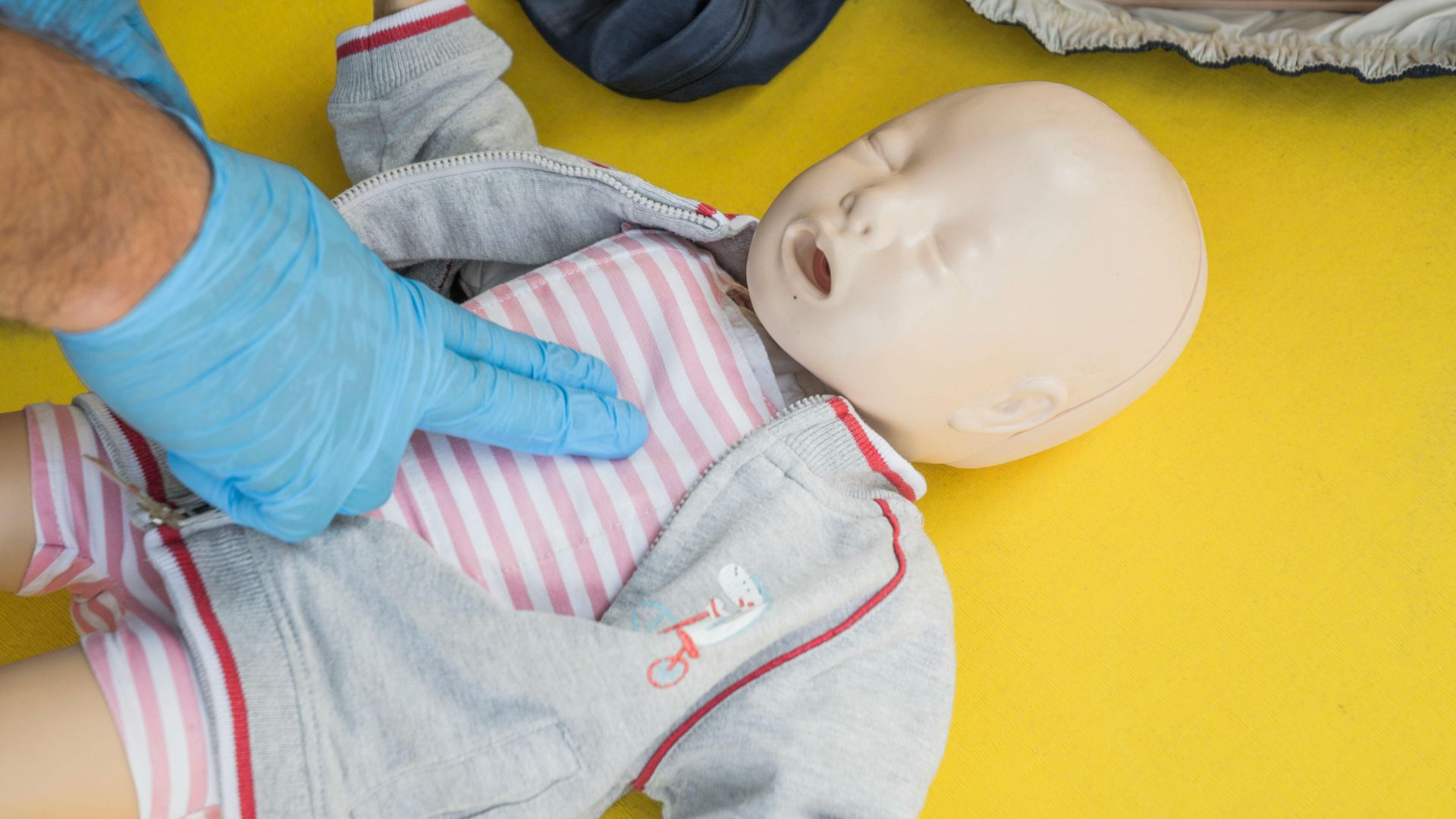
For families and childcare providers in Oakland, being prepared for emergencies goes beyond basic life-saving skills. While CPR Certification is a critical foundation, pediatric first aid training equips you with the knowledge to handle the everyday injuries and unexpected situations that are common when caring for children. From minor cuts to more serious incidents, knowing how to respond quickly and correctly can make a meaningful difference.
Children are naturally active, curious, and constantly exploring their surroundings. This is part of healthy development, but it also increases the risk of accidents. Whether at home, in a daycare setting, or out in the community, caregivers need to be ready to respond with confidence.
Why Pediatric First Aid Matters for Oakland Families
Oakland is a vibrant city with parks, schools, and busy neighborhoods where children are always on the move. From playgrounds to classrooms, there are countless opportunities for minor injuries and occasional emergencies.
Pediatric first aid training prepares caregivers to:
- Respond to injuries immediately
- Assess the severity of a situation
- Provide appropriate care
- Prevent complications
- Support children until medical help is available
For Oakland families, this level of preparedness is essential for keeping children safe in everyday environments.
The Difference Between CPR and First Aid
CPR focuses on life-threatening emergencies involving breathing and cardiac function. First aid, on the other hand, addresses a wider range of situations that may not be immediately life-threatening but still require attention.
Pediatric first aid covers:
- Cuts and scrapes
- Burns
- Sprains and fractures
- Allergic reactions
- Head injuries
- Fever and illness
- Choking incidents
Understanding the difference helps caregivers respond appropriately based on the situation.
Common Injuries in Children
Children experience a variety of minor and moderate injuries as they grow and explore. Knowing how to handle these situations is a key part of caregiving.
Some of the most common injuries include:
- Scrapes and cuts from falls
- Bruises from playtime
- Burns from hot surfaces
- Sprains from running or jumping
- Bites or stings from insects
While many of these injuries are minor, they still require proper care to prevent infection or complications.
Treating Cuts, Scrapes, and Minor Wounds
Cuts and scrapes are among the most frequent injuries in children. Proper treatment helps prevent infection and promotes healing.
Basic steps include:
- Cleaning the wound
- Applying pressure to stop bleeding
- Using a clean bandage
- Monitoring for signs of infection
Pediatric first aid training teaches caregivers how to handle these steps safely and effectively.
Responding to Burns
Burns can occur from hot surfaces, liquids, or even sun exposure. Children may not always recognize danger, making burns a common risk.
First aid for burns typically involves:
- Cooling the affected area
- Protecting the skin
- Avoiding harmful remedies
- Seeking medical attention when necessary
Knowing how to respond quickly can reduce pain and prevent further damage.
Managing Allergic Reactions
Allergic reactions can range from mild to severe. Some children may have known allergies, while others may experience reactions for the first time.
Signs of an allergic reaction include:
- Rash or hives
- Swelling
- Difficulty breathing
- Nausea or vomiting
Severe reactions require immediate medical attention. First aid training helps caregivers recognize these signs and take appropriate action.
Handling Head Injuries
Head injuries can occur during falls or play. While many are minor, some can be serious and require medical attention.
Caregivers should watch for:
- Dizziness
- Confusion
- Vomiting
- Loss of consciousness
Pediatric first aid training teaches how to assess head injuries and determine when to seek help.
Recognizing Signs of Serious Illness
Children may not always be able to communicate how they feel. Recognizing signs of illness is an important part of caregiving.
Symptoms to watch for include:
- High fever
- Difficulty breathing
- Unusual behavior
- Persistent pain
First aid training helps caregivers identify when a situation requires medical attention.
The Importance of Hands-On Training
Hands-on training is essential for building confidence and skill. Practicing techniques in a controlled environment helps caregivers prepare for real-life situations.
Training includes:
- Demonstrations
- Practice scenarios
- Instructor feedback
- Real-world simulations
This experience ensures that caregivers are ready to act when needed.
Building Confidence as a Caregiver
One of the biggest benefits of first aid training is confidence. Knowing what to do in an emergency reduces panic and helps caregivers stay calm.
This confidence allows caregivers to:
- Make quick decisions
- Provide effective care
- Reassure children
- Manage stressful situations
For Oakland families, this confidence is an important part of caregiving.
Creating a Safe Environment for Children
Prevention is just as important as response. Caregivers can take steps to reduce the risk of injuries.
This includes:
- Childproofing the home
- Supervising playtime
- Keeping hazardous items out of reach
- Teaching safety rules
Combining prevention with first aid training creates a safer environment.
Why Childcare Providers Need Pediatric First Aid
Childcare providers are responsible for multiple children at once, which increases the likelihood of incidents.
First aid training ensures that providers can:
- Respond quickly to injuries
- Manage multiple situations
- Maintain a safe environment
- Communicate with parents effectively
In Oakland, this level of preparedness is essential for professional childcare settings.
How to Get CPR and First Aid Certified in Oakland
Getting certified is a simple process.
- Choose a training program
- Select a class that fits your schedule
- Attend the training session
- Complete hands-on practice
- Receive certification upon completion
Many training providers offer flexible scheduling options.
CPR Certification Cost in Oakland
The cost of training can vary depending on the course and provider. Most programs are affordable and provide significant value.
For families and caregivers, this is an investment in safety and preparedness.
Why Ongoing Training Is Important
Skills should be refreshed regularly. Certification typically lasts for two years.
Ongoing training ensures that:
- Skills remain sharp
- Knowledge stays current
- Confidence remains high
- Care quality continues to improve
For Oakland families, staying up to date is essential.
Final Thoughts About Pediatric First Aid in Oakland
Caring for children means being prepared for a wide range of situations. While CPR Certification is a critical skill, pediatric first aid training provides the tools needed to handle everyday emergencies.
For Oakland families and childcare providers, this training is an essential part of keeping children safe and protected.
With accessible training options available, there is no reason to wait. Being prepared today helps create a safer environment for every child.
CPR Certification FAQs
What is pediatric first aid?
Pediatric first aid focuses on treating injuries and emergencies specific to children.
Do I need CPR certification for childcare?
Many childcare providers are required to have CPR certification.
How long does certification last?
Certification typically lasts for two years before renewal is required.
Can I get certified the same day?
Yes, many programs offer same-day certification.
Is first aid training different for children?
Yes, pediatric first aid is specifically designed for the needs of infants and children.