If you have CPR certification in Oakland, you might be wondering how long it lasts and when you need to renew it. This is one of the most common questions people ask, especially those who rely on certification for work or want to stay prepared for emergencies.
The short answer is simple, but the reasoning behind it is important. CPR certification is not meant to last forever because the skills and techniques require regular practice and updates. That is why enrolling in an in-person CPR Certification course is not just about getting certified once. It is about staying ready over time.
How Long CPR Certification Lasts
In most cases, CPR certification is valid for two years from the date you complete your course.
This applies to certifications from major organizations like the American Red Cross and other nationally recognized providers. After that two-year period, your certification expires and you are no longer considered officially certified.
To stay current, you must complete a renewal or recertification course before your expiration date.
Why CPR Certification Expires
Many people are surprised to learn that CPR certification has an expiration date. The reason comes down to two key factors: skill retention and evolving medical guidelines.
Studies show that CPR skills begin to decline within months after training, and many people struggle to perform CPR correctly after a year without practice.
In addition, CPR techniques are updated regularly based on new research and medical advancements.
Renewing your certification ensures:
- You are using the most current life-saving techniques
- Your skills remain sharp and effective
- You are confident in real emergency situations
Without renewal, even previously trained individuals may not perform CPR effectively when it matters most.
When You Should Renew Your CPR Certification
While certification lasts two years, waiting until the last minute is not the best approach. Most experts recommend renewing your certification before it expires to avoid any gaps.
You should plan to:
- Check your expiration date regularly
- Schedule renewal a few weeks or months in advance
- Avoid letting your certification lapse
If your certification expires, you may need to retake the full course instead of a shorter renewal class.
Staying ahead of your renewal date keeps you compliant and prepared.
Do Some Jobs Require More Frequent Renewal?
Yes, depending on your profession, you may need to renew your CPR certification more frequently than every two years.
In Oakland, certain roles may require stricter timelines, including:
- Healthcare professionals
- First responders
- Childcare providers
- Fitness trainers
Some employers require annual refreshers or additional training to ensure employees maintain a high level of readiness.
Always check with your employer to confirm their specific requirements.
Why In-Person CPR Training Is Still the Best Option
When it comes time to renew your certification, you may see options for online, blended, or in-person training. While all formats can provide certification, in-person training remains the most effective.
In-person classes provide:
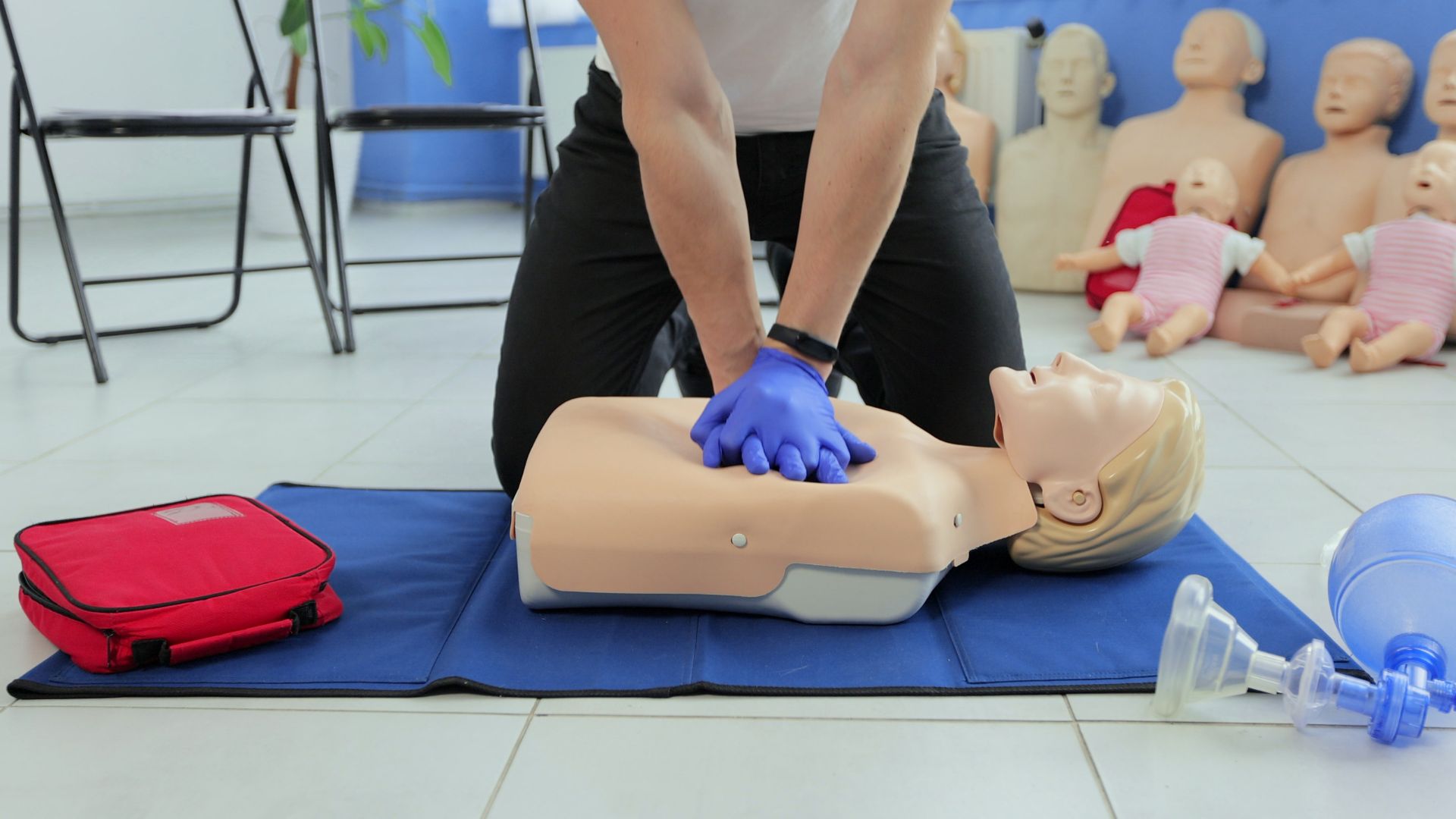
- Hands-on practice with mannequins
- Real-time feedback from instructors
- Practice under realistic conditions
Online courses may help with knowledge, but they cannot fully prepare you for performing CPR in a real emergency.
Choosing an in-person CPR Certification course ensures you maintain both your certification and your confidence.
How Long CPR Skills Actually Last
Even though your certification lasts two years, your skills may not.
Research from the Red Cross shows that many participants struggle to pass a skills test just one year after training.
This means that even if your certification is still valid, your ability to perform CPR correctly may decline over time.
That is why some experts recommend:
- Practicing CPR skills regularly
- Taking refresher courses between certifications
- Staying familiar with updated guidelines
The goal is not just to stay certified, but to stay capable.
What Happens During a CPR Renewal Class
CPR renewal classes are typically shorter than initial certification courses, but they still focus heavily on hands-on practice.
During a renewal course, you will:
- Review key CPR techniques
- Practice chest compressions and rescue breathing
- Refresh your knowledge of AED use
These classes are designed to reinforce your skills and ensure you are up to date with current standards.
Most renewal classes can be completed in just a few hours, making them a convenient way to stay certified.
Why Renewal Is More Than Just a Requirement
For many people, CPR certification is tied to job requirements. But beyond compliance, renewal plays a much bigger role.
Renewing your certification helps you:
- Stay confident in emergency situations
- Improve your response time
- Reduce hesitation during critical moments
When someone collapses or stops breathing, you will not have time to review instructions. You will rely on what you remember and what you have practiced.
Regular renewal ensures you are ready.
CPR Certification in a City Like Oakland
In a busy and diverse city like Oakland, emergencies can happen anywhere, at home, at work, or in public spaces.
Having more people trained in CPR creates:
- Faster response times
- Higher survival rates
- Safer communities
Whether you are a professional or simply someone who wants to be prepared, staying certified makes a real difference.
Common Mistakes People Make with CPR Certification
Many people unintentionally let their certification lapse or fail to stay prepared.
Some common mistakes include:
- Forgetting to check expiration dates
- Waiting until after certification expires
- Choosing online-only courses without hands-on training
Avoiding these mistakes helps ensure you remain both certified and capable.
How to Check Your CPR Certification Expiration
Your certification expiration date is typically listed on your CPR card or digital certificate.
You can:
- Check your physical certification card
- Log into your provider’s website
- Contact your training provider
Staying aware of your expiration date makes renewal planning much easier.
The Long-Term Value of Staying Certified
CPR certification is one of the most valuable skills you can have. It is not just for work or compliance. It is a life-saving ability that can be used at any time.
By staying certified, you:
- Maintain your ability to respond in emergencies
- Increase your confidence
- Contribute to a safer community
The impact goes far beyond the classroom.
Final Thoughts on CPR Renewal in Oakland, CA
CPR certification typically needs to be renewed every two years, but staying prepared requires more than just meeting that deadline. Skills can fade quickly, and emergencies demand immediate, confident action.
By renewing your certification on time and choosing an in-person CPR Certification course, you ensure that you are not just compliant, but truly ready to help when it matters most.
In Oakland, where emergencies can happen anywhere, staying certified is one of the simplest and most important ways to make a difference.
Frequently Asked Questions About CPR Renewal
How often do I need to renew my CPR certification?
Most CPR certifications must be renewed every two years.
What happens if my certification expires?
You may need to retake the full course instead of a renewal class.
Can I renew CPR certification online?
Some programs allow online learning, but in-person skills testing is often required for valid certification.
How long does a renewal class take?
Most CPR renewal classes take a few hours to complete.
Do healthcare workers need to renew more often?
Some employers require more frequent refreshers depending on the role.
Why is renewal important?
Renewal keeps your skills sharp, ensures you follow current guidelines, and helps you respond confidently in emergencies.